
Kuru the Conservation Dog
Poaching and illegal wildlife trafficking are among the most serious threats to Africa's biodiversity. The illegal wildlife trade — ivory, rhino horn, pangolin scales, bushmeat — is worth an estimated $20 billion a year, making it one of the largest criminal industries in the world.
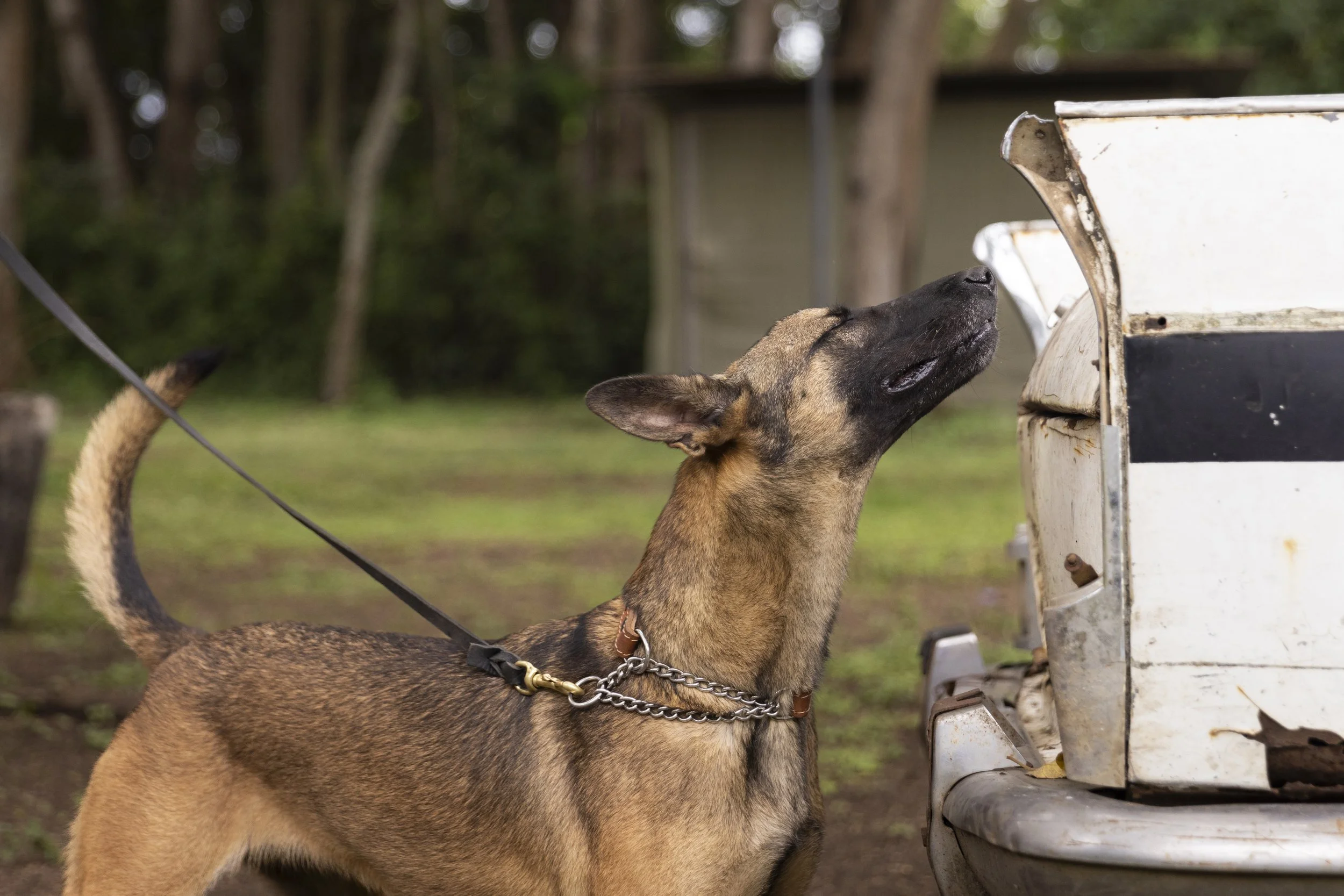
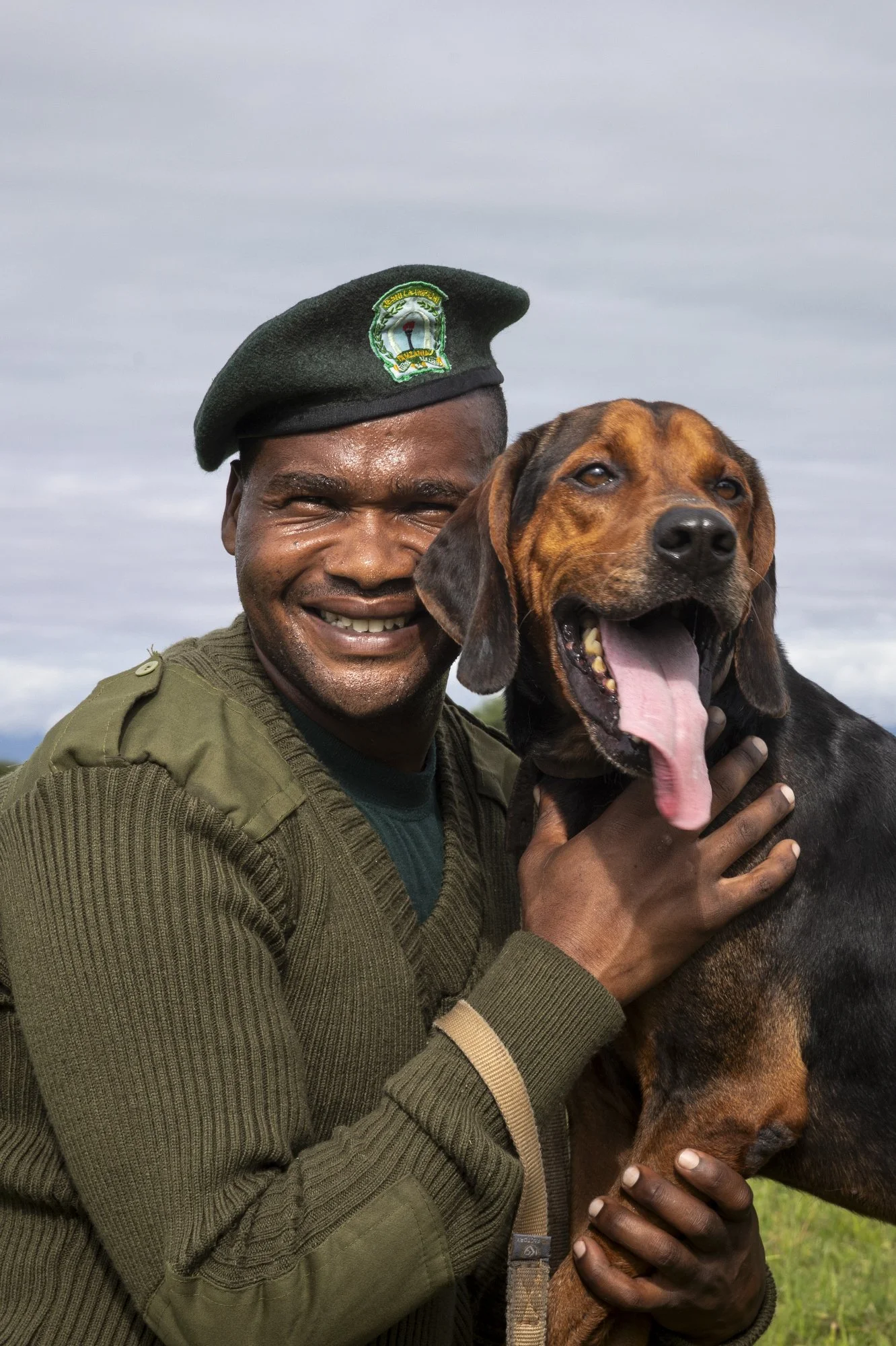
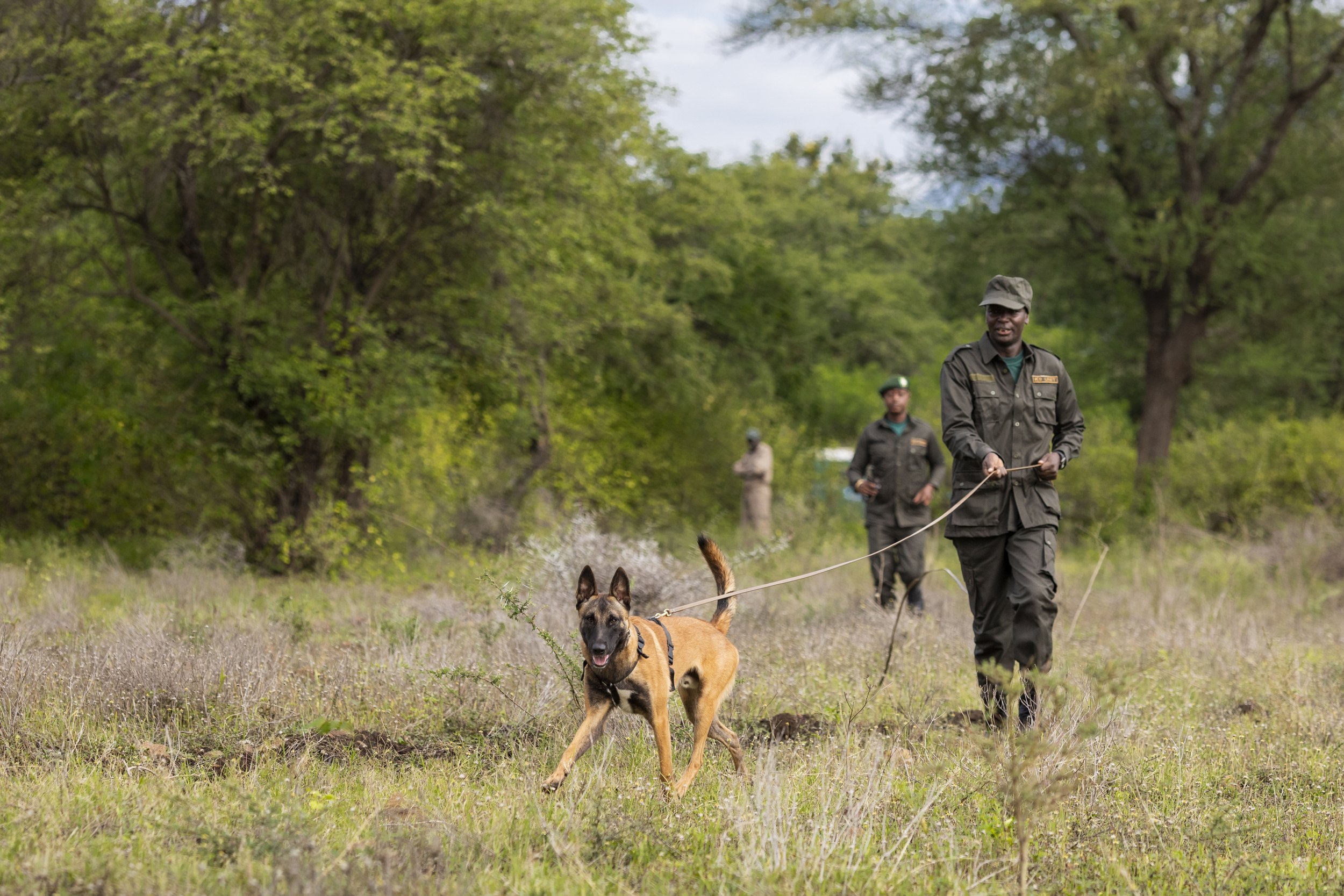
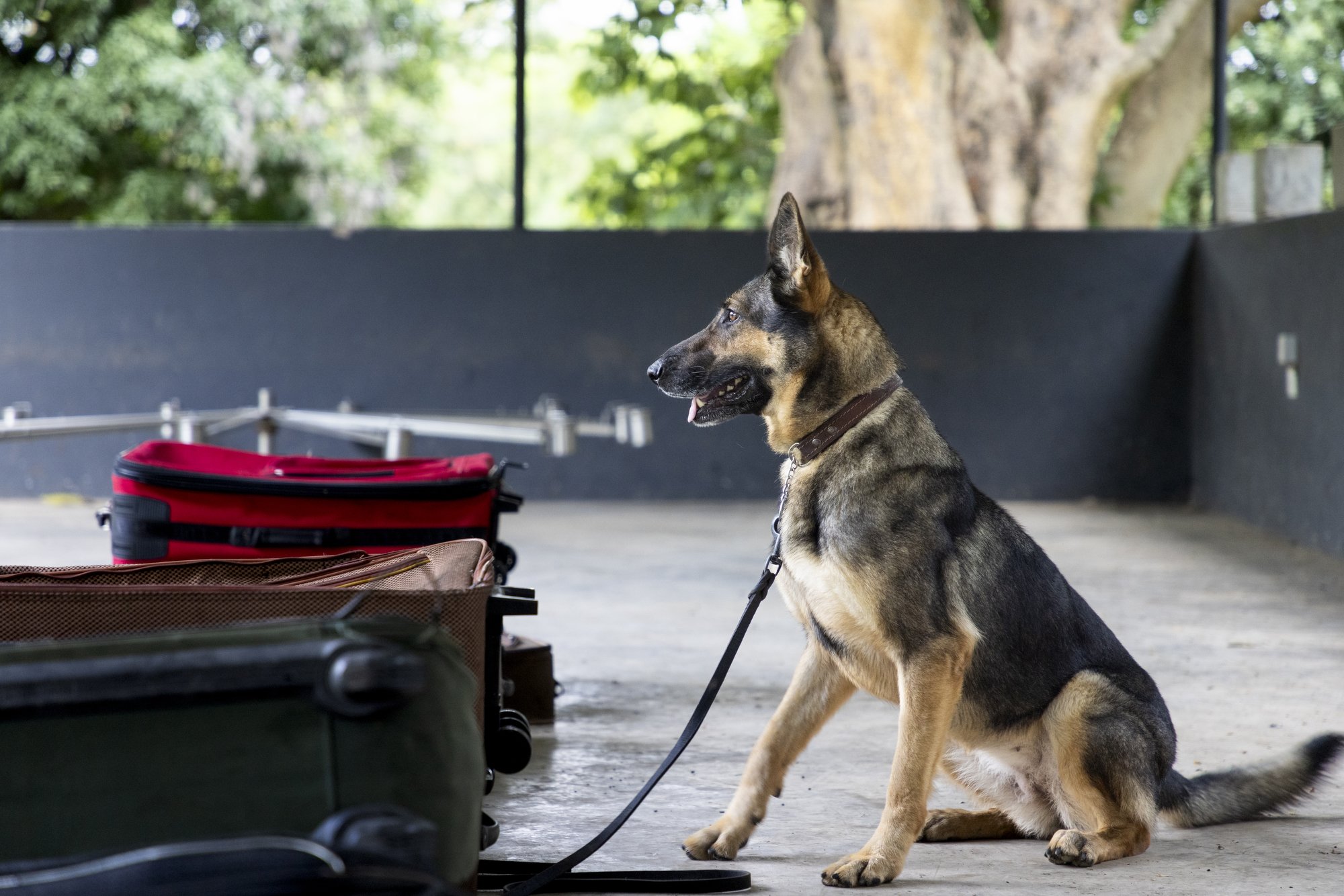
Kuru the Conservation Dog is a Tanzania-based NGO with a deceptively simple answer to a complex problem: dogs. Trained tracking dogs follow poachers for miles. Detection dogs intercept illegal wildlife products at airports and border crossings. Once word of their effectiveness spreads, the deterrent effect multiplies — poachers rethink the risk, traffickers reroute, criminal networks are disrupted.
Kuru had previously operated as a programme under another organisation. When they stepped out as an independent NGO, the conservation work continued as it always had — but suddenly, there was a whole extra layer to take care of.
The brief
It’s often the case that people reach out saying ‘we don’t know what we need exactly, but we know we need something’.
That's one of the most common ways a Telos partnership begins — and it's a starting point we know how to work with. We were brought in to help Kuru find their footing as a newly independent organisation: to build the infrastructure their story could live on, and to help them make themselves heard.
We worked with them for a year, setting them up with a foundational communications package, after which they were ready to take the work in-house.
We work with doers.
The people who change the world are rarely the ones with time to explain it.
The Kuru team brought decades of hands-on experience — working with detection dogs across multiple continents, building relationships with governments and wildlife authorities, operating in some of the most remote and challenging environments on earth. They were deeply, completely immersed in their work.
We cherish arriving somewhere new: the gaps are obvious, the important questions occur naturally, and you notice what the people inside can no longer see. We lean into that window deliberately, because we know it closes fast. As we go deeper — into the context, the history, the nuance, the complexity — we hold on to that first perspective, leaving a
breadcrumb trail that can take us back. The goal is to develop the ability to move between the two: from the 30,000-foot view to deep in the weeds, and back again, depending on what the moment requires.
For Kuru, that meant taking a tangled, passionate, decades-long wealth of knowledge and distilling it into something the rest of the world could receive. Not simplifying — translating. Making accessible what a team had spent lifetimes developing, so that someone who has never been to Africa, never thought about wildlife crime, and wouldn't know what dogs have to do with any of it, could understand — and be moved.
What We Built
A communications foundation isn't just content – it’s architecture too.
We started by establishing Kuru's voice — the tone, the language, the look and feel that would carry consistently across every platform and every piece of writing. From there, we built outward: a content strategy, a social media presence, a cadence for newsletters and blogs, and a suite of donor communications. We identified the right fundraising platform for Kuru's needs, set it up in full, and ran their first match campaign through it.
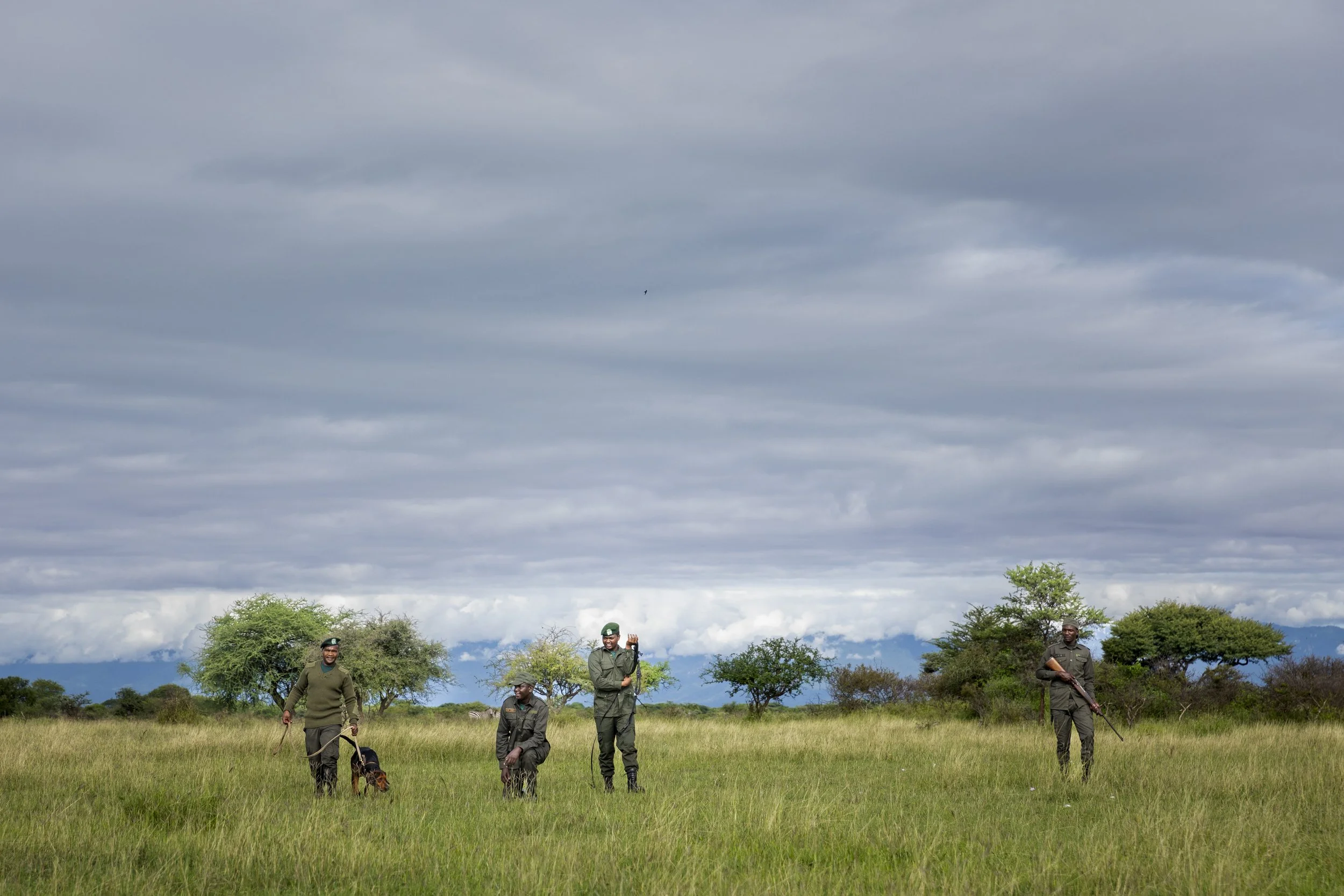
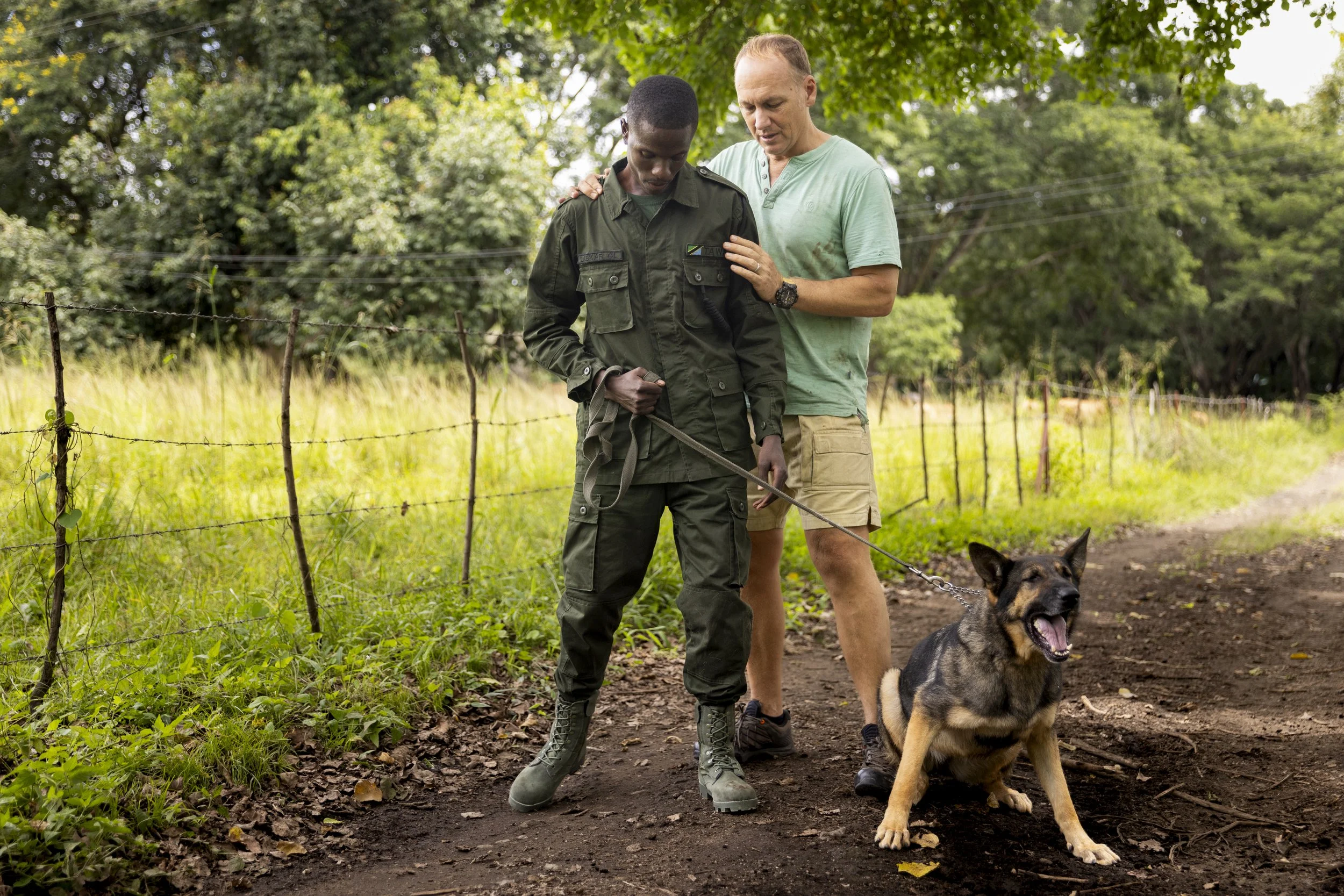
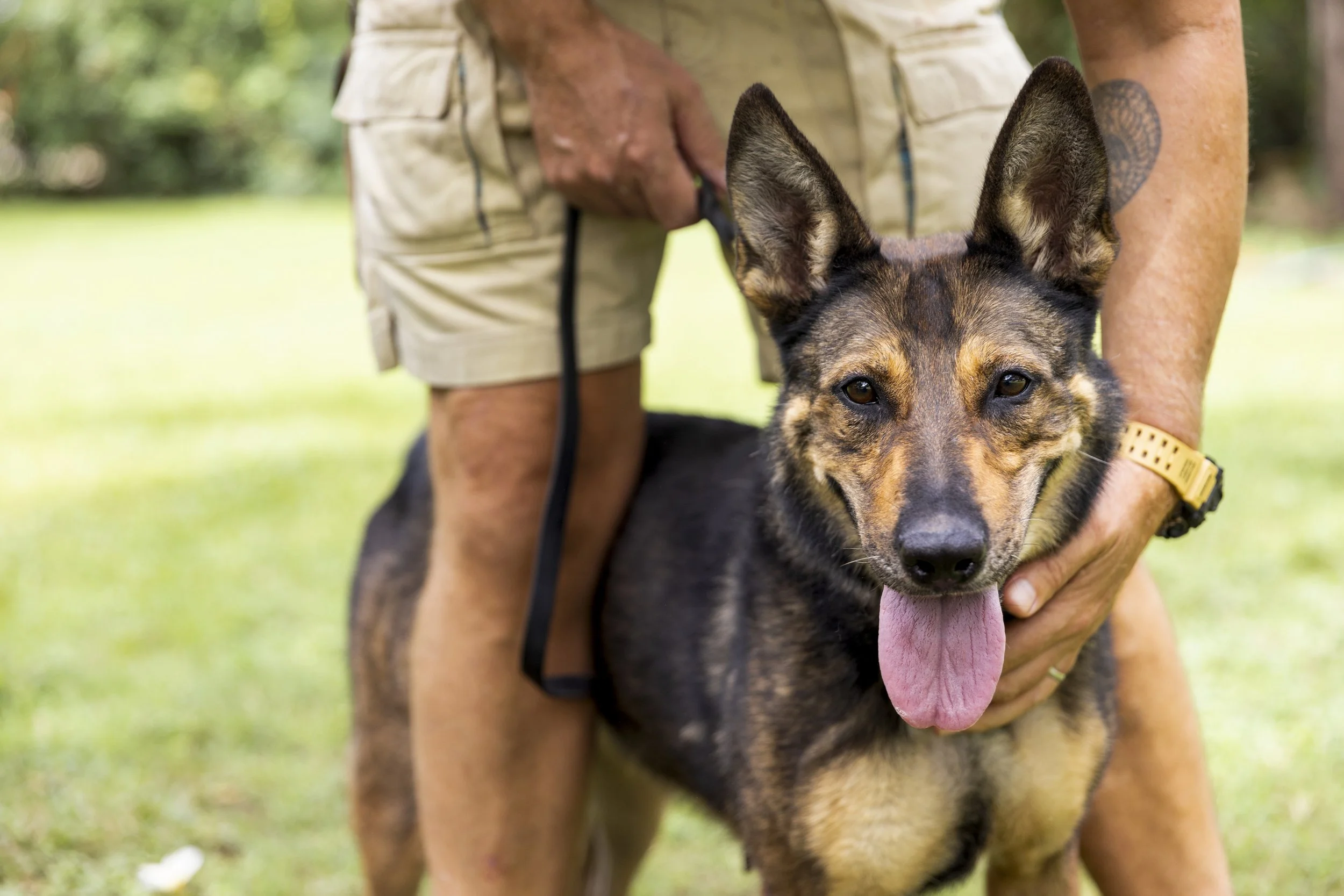
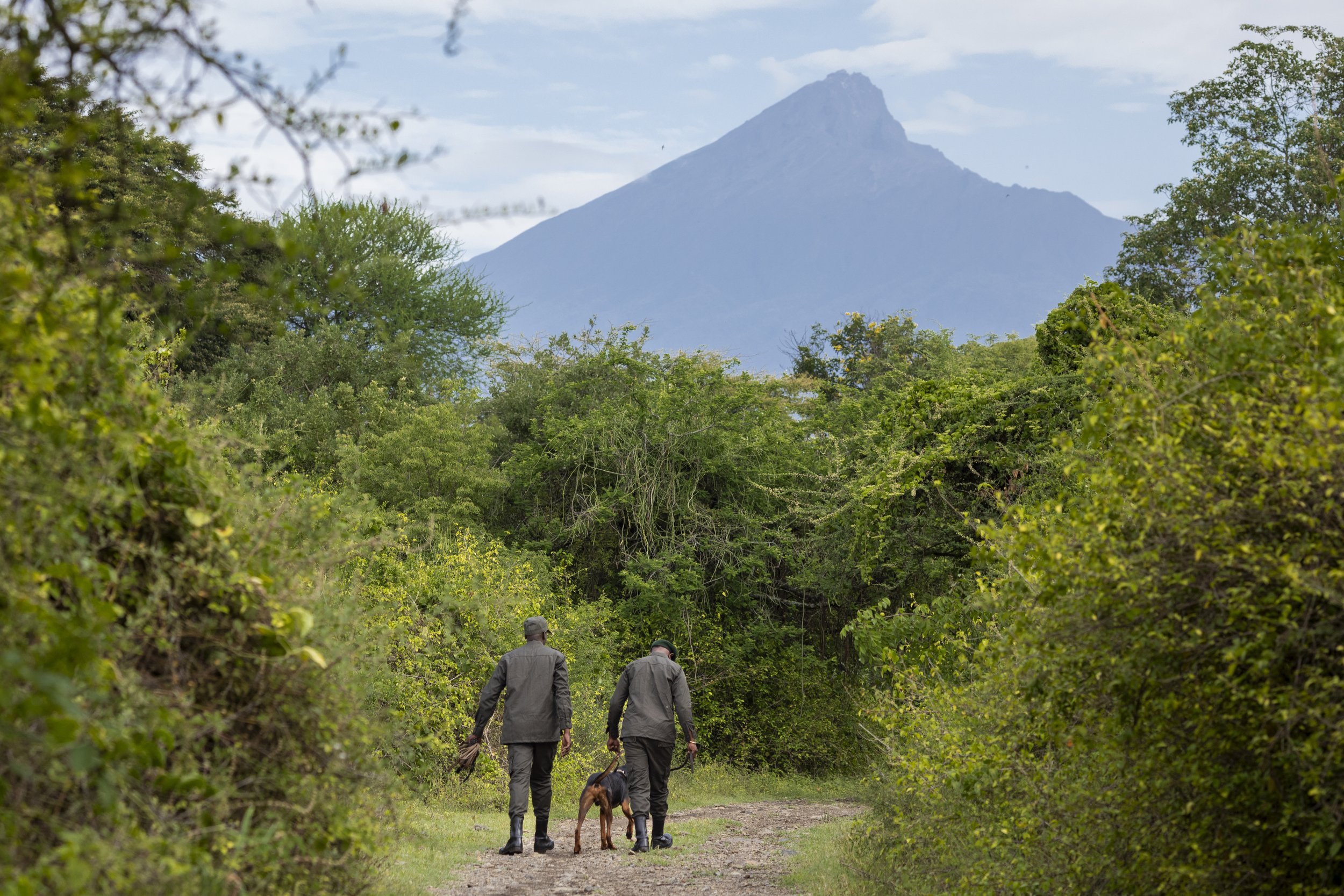
On the visual side, we produced multiple shoots — at the dog school and out in the field at a wildlife conservancy — building a library of photography and footage that we organised, curated, and made ready to use.
Underpinning all of it was a system. We built and maintained a shared online drive — not just as a filing cabinet, but as an institutional memory. Strategy documents, brand guidelines, grant boilerplate, story banks, donor lists, content calendars, visual assets, field notes: everything was named, organised, and findable. Anyone joining the Kuru team, at any point, should be able to open the drive and understand exactly where things stand — and it ensured that no knowledge walked out the door with us when we handed over.
The Work
Every organisation needs an explainer that unpacks what they do and how. We wrote Kuru's — a clear, accessible walk-through covering who they are, what the work is, and why it matters. It lives on their website, so it’s just a click away for anyone who wants to learn more.Kuru in a Nutshell
The team wanted something they could put in front of a completely new audience — someone with no prior knowledge of Africa, conservation, or detection dogs — and have them come away informed, engaged, and ready to act. We distilled Kuru's mission, model, and competitive advantage into a single, designed document: concise, compelling, and ready to deploy.The Case for Kuru
We spent a day with the dogs at work in the wild, then more time at the dog school gathering interviews and footage. The result is a short film that brings it all to life — the landscape, the dogs, the handlers, the stakes. It was designed to be the thing you share when you want someone to truly feel what Kuru does.The Film
By the end of the year, Kuru had a voice, a system, a visual library, and all the ways to tell their story. If this sounds like something you’d like to work on with us, we’d love to chat.